It’s that time of year again. Time to dash through your home changing clocks and your fire alarm batteries. But it may also be a good time to change your mindset around READ ALOUD.
As I work with teachers across NY’s Hudson Valley, I hear the same sad thing over and over:
I don’t have time to read aloud.
I love books, but there’s no time.
WHAT?????
Why has this disappeared?
Our schedules reflect what we value. We make time for what is important. Yes - our instructional load grows bigger every year. New initiatives are added on. Nothing ever being taken away. But do we even realize what we are losing when we abandon time to read aloud to our students?
We always hear about ‘research-based’ instruction. Well… here’s some research around read aloud:
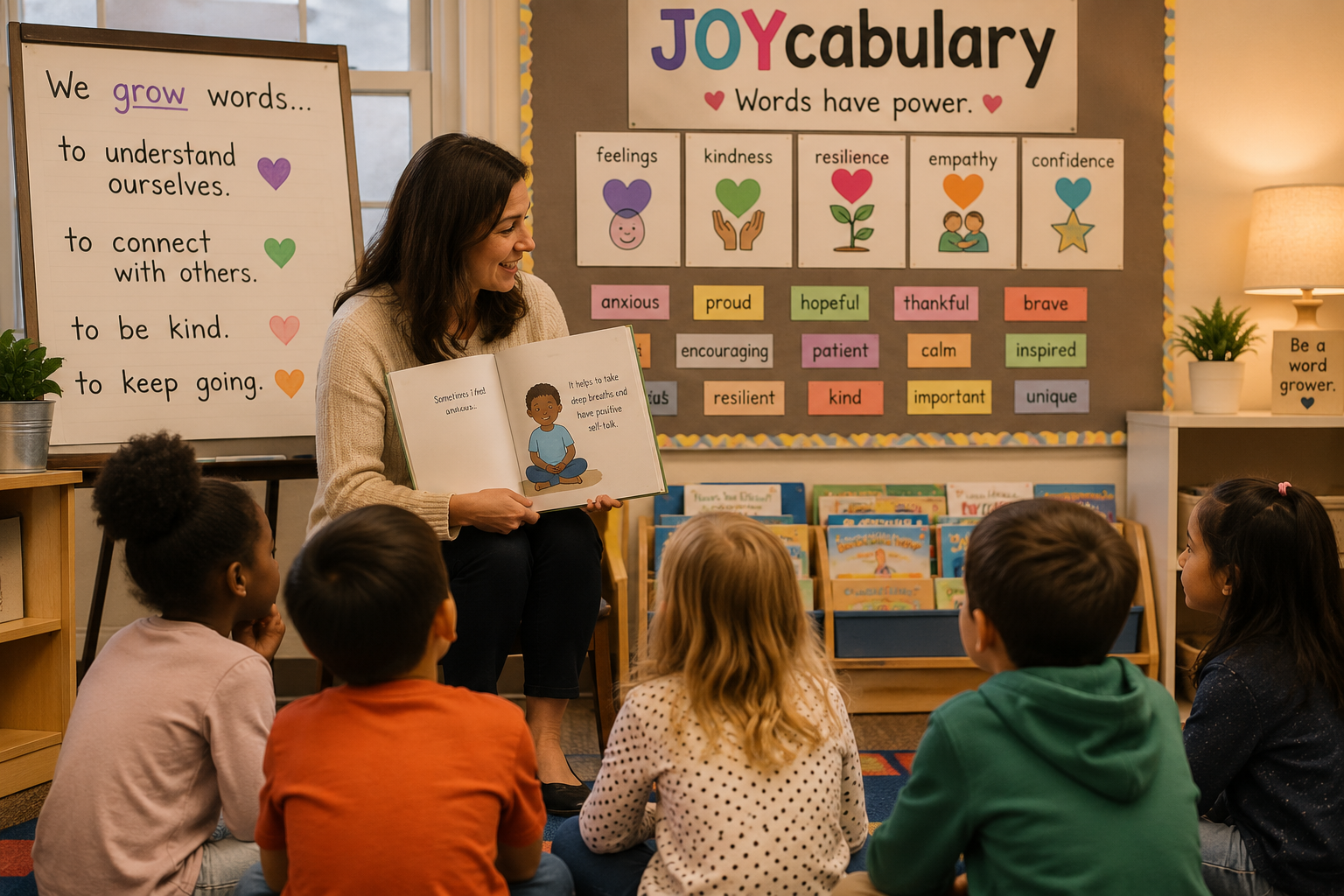
Listening to read aloud exposes children to sophisticated, complex vocabulary and rare words that rarely appear in daily conversation. It builds language comprehension - a skill that serves as the foundation of future reading success. The other part of Scarborough’s Rope.
Children’s picture books have more complex sentence structures and vocabulary than the conversation of college-educated adults.
Kindergarten children who are read to five times per day hear about 1.5 million more words than children who are not read to at all: The Million Word Gap
Verbalizing and listening to text forces the brain to slow down, process narrative structures, and build listening comprehension - well beyond their decoding level.
The American Academy of Pediatrics recommends reading aloud from birth because it accelerates neural and auditory development.
Engaging with fictional stories and character viewpoints acts as an ‘empathy machine,’ increasing real life social understanding and emotional intelligence.
Functional brain scans show increased neural activity in language and literacy-related regions of the brain in children who are frequently read to.
Read aloud improves verbal processing, which aids performance in math and science by helping students navigate word problems and technical language.
Cognitive research demonstrates that reading or listening to stories activates the same neural networks as living through those experiences! Just amazing!
Read aloud and shared reading have been shown to reduce symptoms of anxiety and depression. It increases oxytocin (the feel-good hormone), decreases cortisol (the stress hormone), and helps lower pain perception.
In neonatal intensive care units, reading and speaking softly to premature babies promotes medical homeostasis by lowering heart rates and improving oxygen saturation.
In older adults, frequent childhood read aloud habits correlate with a healthier brain into old age. It can slow the rate of cognitive decline.
Still not convinced?
But wait! There’s more!
Researcher John Hattie, in his meta-analyses of instructional practices found that interactive read aloud with accountable talk has a higher effect size than direct, explicit instruction!!
And read aloud is not just for our littles! Organizations like the International Literacy Association emphasize that read alouds should not stop in early childhood. Upper elementary and secondary educators use read alouds to model strategic thinking, build content-area background knowledge, expand vocabulary, model fluent reading, and spark meaningful classroom discourse.
A well-planned, intentional interactive read aloud can hit four of the mandated BIG 6 components in mere minutes: vocabulary, fluency, comprehension, and oral language development. It assists in creating the effective communicator required by The Portrait of a Graduate.
So my question to you is:
How Can You Not Read Aloud?