Decodables: Not Just for Phonics Practice!
Decodable texts - at least well-written ones - are an excellent way to provide young readers with authentic practice of their emerging phonics skills. These books supply an opportunity to transfer isolated word work into connected text. The strength of these texts - decodability - naturally leads to simple simple words and simple sentences. Not great for building vocabulary, right? Wrong! With a few easy tweaks, decodable books can be used to expand vocabulary as well.

Elevate Vocabulary
Take the decodable text Cats and Dogs from Daffodil Hill Press, a book written to give purposeful practice of CVC words such as sit, nap, wet, sun and mad. I like this book because it is nonfiction and incorporates real photos. It did not feel babyish to my 4th grade ENL students. Its sentence fluency allows the reader to practice skills in both short and long sentences with varying punctuation.
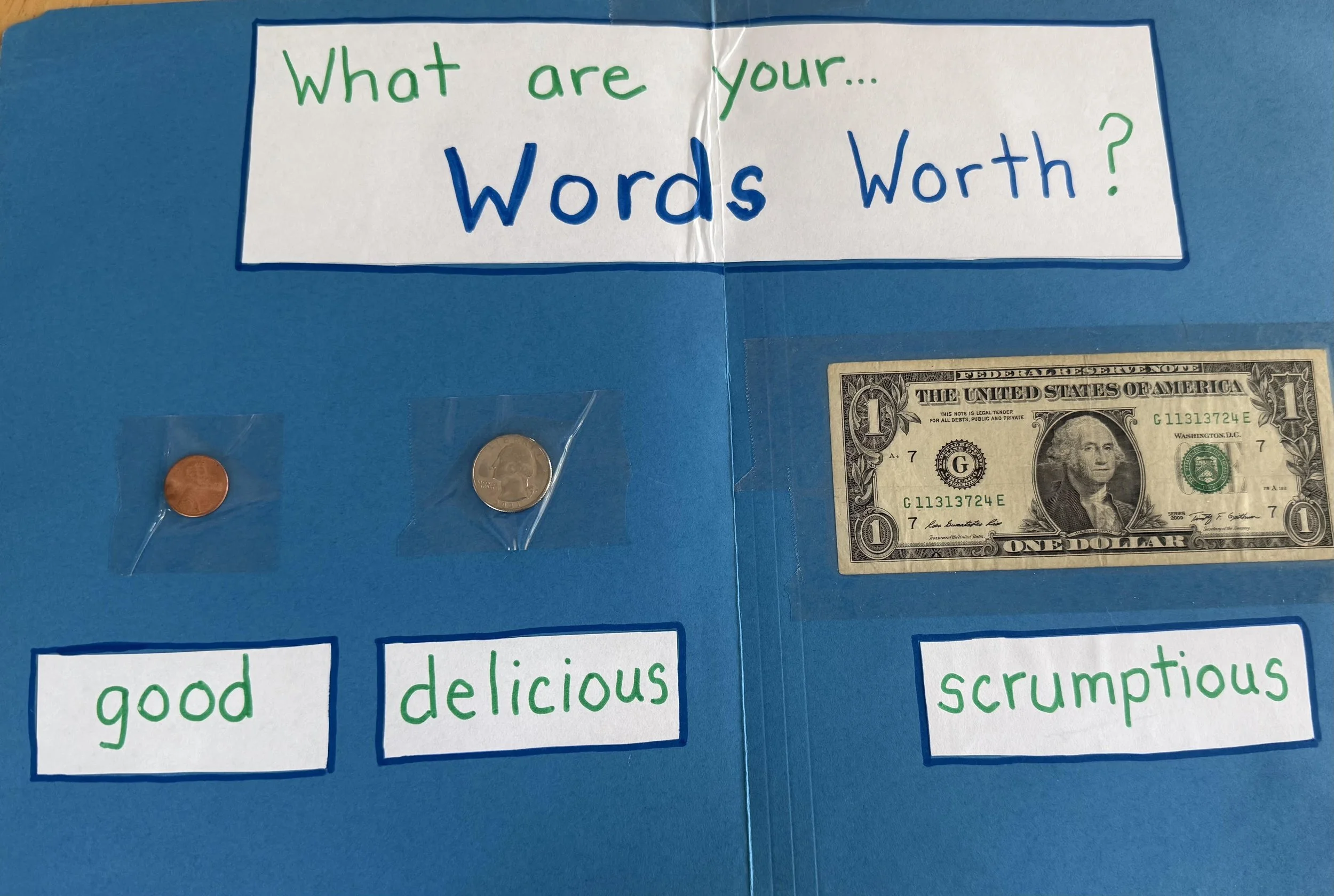
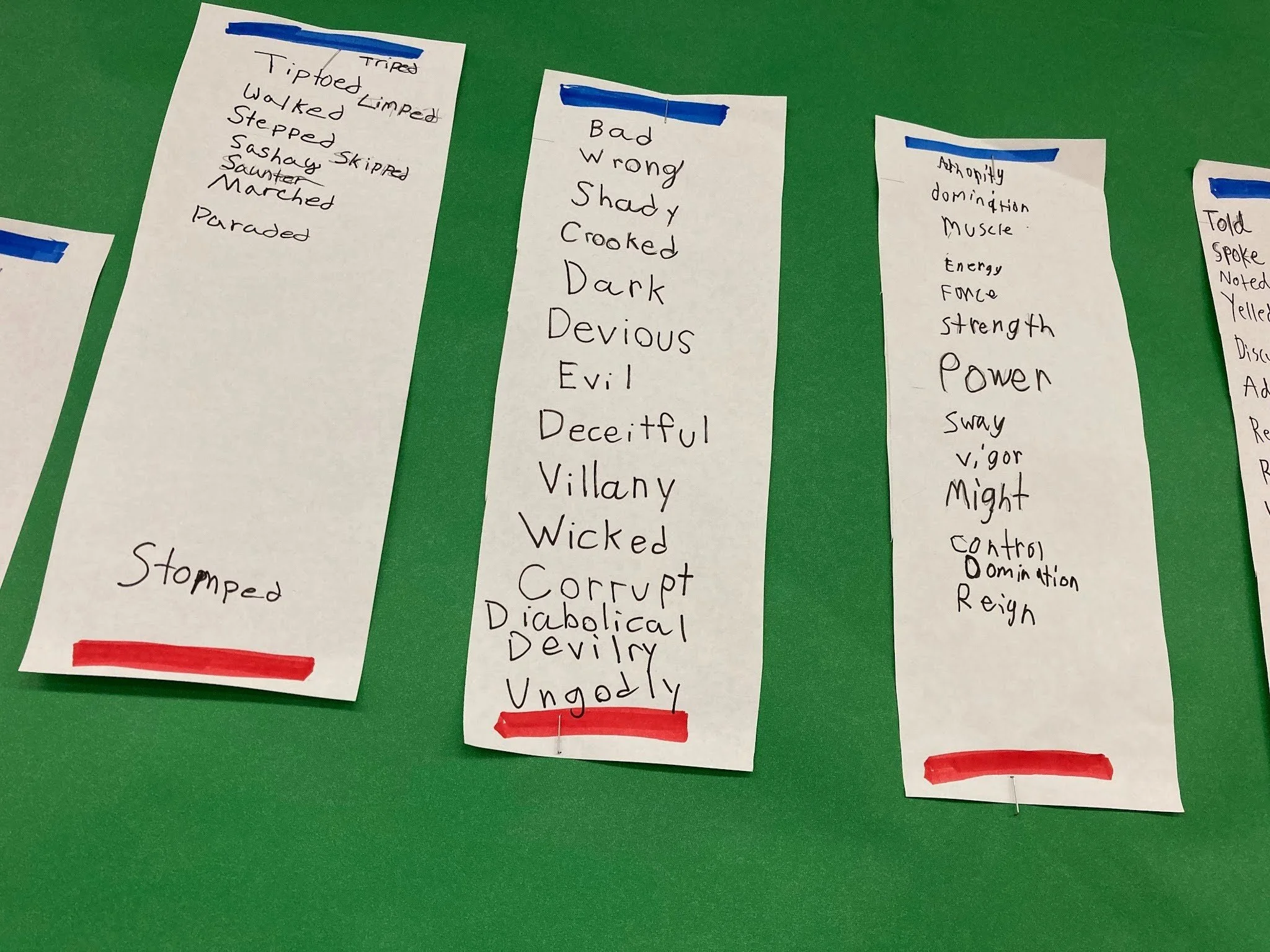
But how can you use this simple text to elevate vocabulary? Easy - think of words to pair with the decodable ones to use when you talk about the book.
mad → furious
wet → drench
nap → snooze
sit → cuddle
Make it Connect
During this talk portion of the reading, you can encourage multiple oral exposures to these new words. Later, you may provide your readers with a word bank or with word cards that give image support.
Finally, you can encourage students to write about the book using these new words:
It was funny when the cat got furious because he was drenched.
Just three simple steps can move a decodable text beyond just phonics practice to vocabulary expansion!
Credits:
Cats and Dogs Daffodil Hill Press 2025 KKLM Learning LLC