National Poetry Month: Why Poetry Belongs in Every Classroom
What Is National Poetry Month—and Why It Matters
Launched by the Academy of American Poets in April 1996, National Poetry Month is a special occasion that celebrates poets’ integral role in our culture and that poetry matters. Over the years, it has become the largest literary celebration in the world, with tens of millions of readers, students, K–12 teachers, librarians, booksellers, literary events curators, publishers, families, and—of course—poets, marking poetry’s important place in our lives.
Why Poetry Is Essential for Early Literacy
Before they can even talk, lucky children hear rhymes… from Hickory, Dickory, Dock to the rhythmic reading of Brown Bear, Brown Bear, what do you see? The Science of Reading has taught us the importance of rhyme as a critical phonemic awareness skill.
Poetry Builds Vocabulary and Deepens Comprehension
But even beyond that foundational skill, poetry provides readers with rich vocabulary and examples of figurative language. Whether silly or serene, thought-provoking or joyful, poetry is a critical part of a reader’s literary diet. Luckily, children love poetry! When introduced early and offered an array of structures and topics, young readers will read and reread their favorite poems.
How to Introduce Poetry to Students Who Aren’t Sold Yet
If your students have yet to fall in love with poetry, you might want to launch this genre on Poem in Your Pocket Day on April 30th.
Poem in Your Pocket Day was initiated in April 2002 by the Office of the Mayor in New York City, in partnership with the city’s Departments of Cultural Affairs and Education. In 2008, the Academy of American Poets took the initiative to all fifty United States, encouraging individuals around the country to participate. In 2016, the League of Canadian Poets extended Poem in Your Pocket Day to Canada.
Simple Ways to Celebrate Poetry Month in Your Classroom
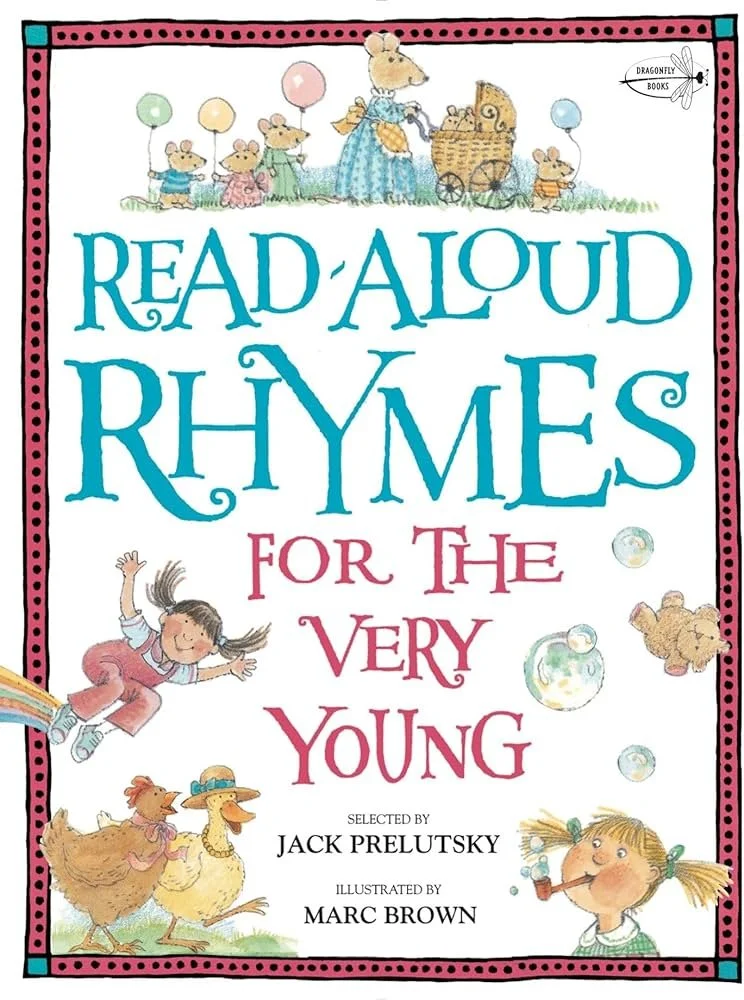
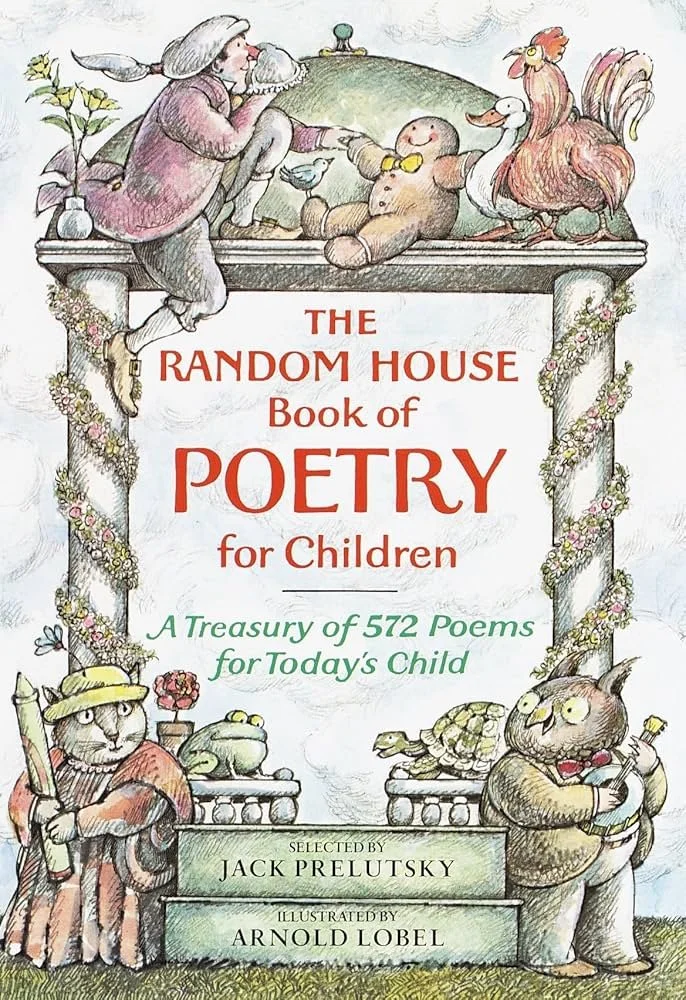
If you’re looking to get started, head to your local library and pick up a few poetry anthologies. Two favorites to look for are Read-Aloud Rhymes for the Very Young and The Random House Book of Poetry for Children. Both collections are filled with engaging, high-quality poems that are perfect for introducing students to rhythm, rhyme, and rich vocabulary. They’re especially helpful for quick daily read-alouds—just a few minutes can spark curiosity, laughter, and meaningful exposure to language.
Other Resources to Get Started
Visit Amy Ludwig Vanderwater’s website, Poem Farm (poemfarm.amylv.com). It’s full of mentor poems, writing prompts, and short lessons you can use immediately in your classroom. Whether you’re launching a poetry unit or just adding a few minutes of word play to your day, her resources make it easy for students to experiment with language—and actually enjoy the process. Children love her books, and teachers love how usable her ideas are.
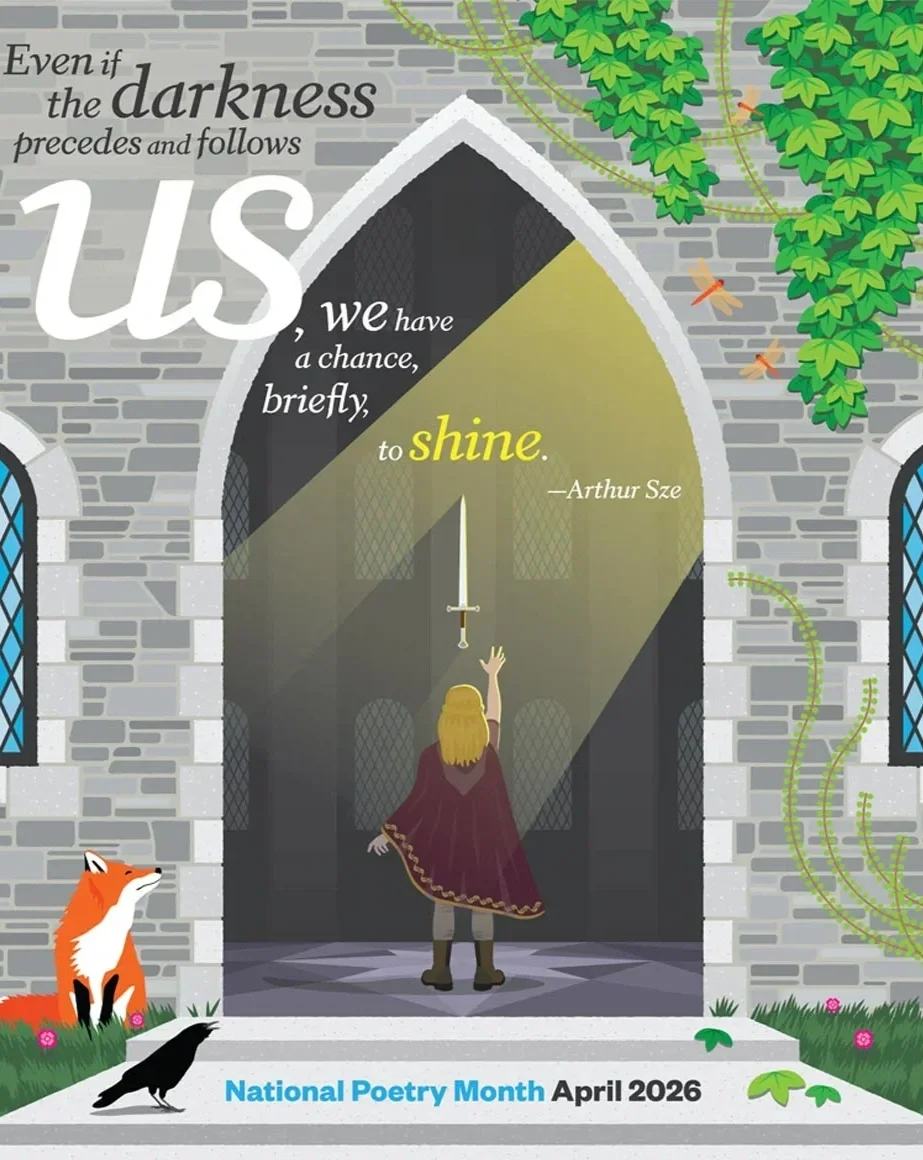
You can also request a free National Poetry Month poster from the Academy of American Poets. It’s an easy way to bring poetry into your classroom environment and spark curiosity throughout the day. Display it in a reading corner, use it as a quick discussion starter, or revisit the featured lines during transitions for repeated exposure to rich language.
The 2026 poster features design and illustration by Alfredo Richner. Lines excerpted from the poem, “The Chance” by Arthur Sze, from The Redshifting Web: New & Selected Poems (Copper Canyon Press, 1998).
Poetry doesn’t have to be complicated to be powerful. When we make space for rhythm, repetition, and rich language in our classrooms, we give students more than just exposure to words—we give them a deeper understanding of how language works and how it feels. This April, start small. Read a poem. Share a favorite. Let your students experience the joy of language in a way that sticks. Because when poetry becomes part of their daily routine, it doesn’t just support reading—it helps create confident, curious, and expressive learners.