A Powerful Vocabulary Lesson with Pocket Bear: Building Meaning Through Story
Bringing Vocabulary to Life with Pocket Bear
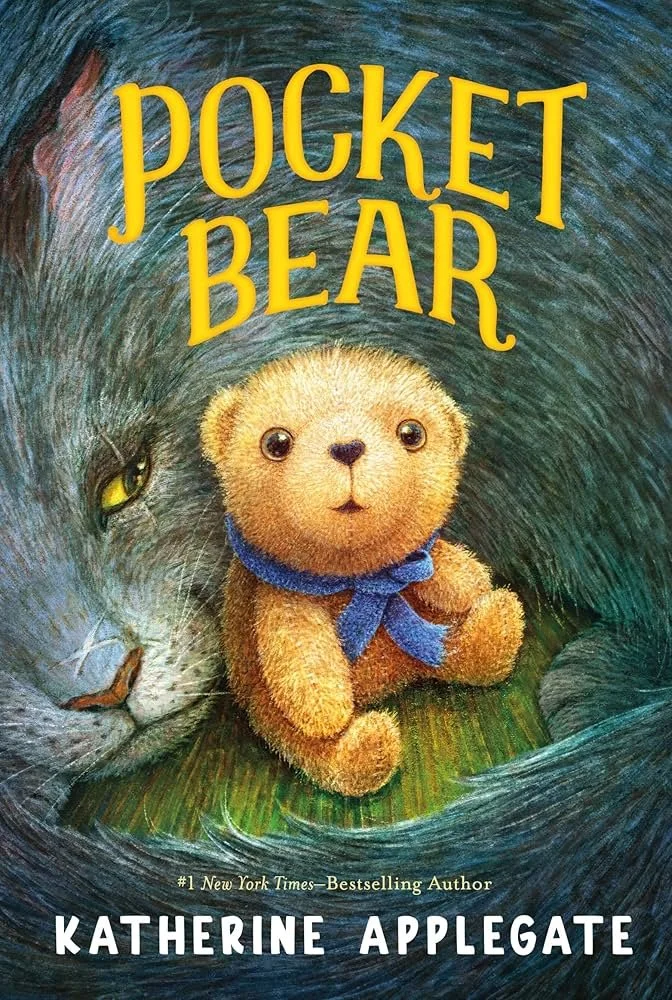
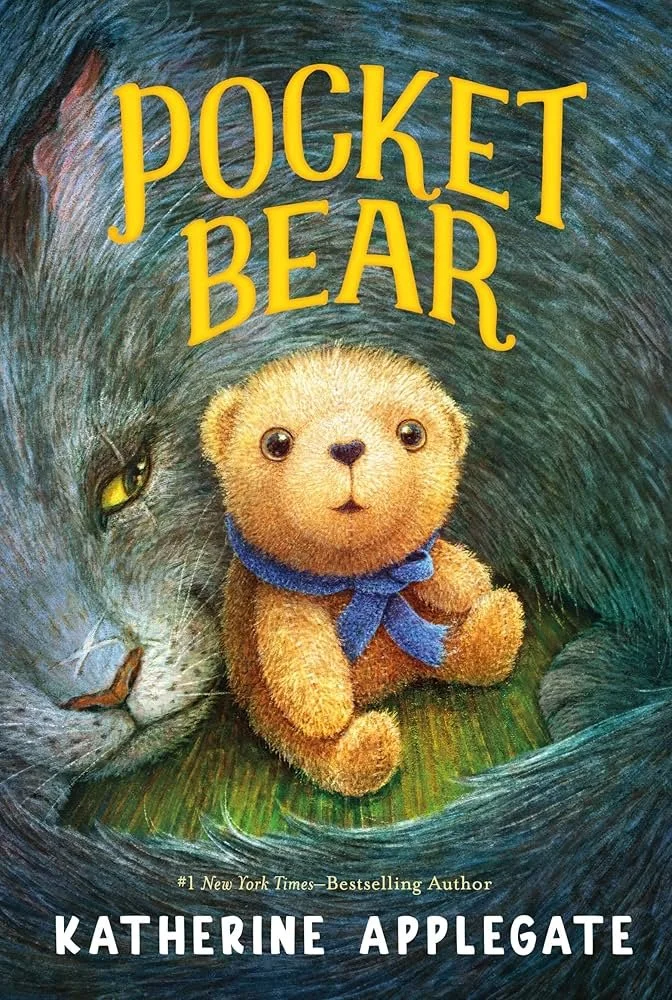
If you’re looking for a meaningful way to teach vocabulary while strengthening comprehension, this lesson built around Pocket Bear by Katherine Applegate offers the perfect balance of structure and joy. Through carefully selected Tier 2 vocabulary and intentional read-aloud moments, students don’t just learn new words—they experience them in context.
This lesson is designed to fit into short daily routines while still building deep understanding over time. Whether you have 15 or 20 minutes, you can create a consistent, high-impact vocabulary block that connects directly to comprehension.
Why Pocket Bear Works So Well
Pocket Bear is rich with emotion, history, and layered meaning. The story follows a small stuffed bear with a powerful past, exploring themes like bravery, belonging, resilience, and second chances.
Because the text is full of nuanced language and meaningful character development, it naturally lends itself to vocabulary instruction. Students encounter words like intrigued, chaos, cunning, and inevitable in authentic, memorable contexts.
What This Lesson Helps Students Do
This lesson plan goes beyond simple word definitions. It helps students:
Build vocabulary through repeated, meaningful exposure
Make inferences about characters and events
Engage in discussion through structured prompts
Track character development and themes over time
Connect vocabulary directly to comprehension
By pairing vocabulary with reading, discussion, and reflection, students develop a deeper understanding of both language and text.
A Simple Structure That Builds Strong Readers
Each section of the lesson follows a clear instructional flow:
Before reading: Introduce vocabulary and build background knowledge
During reading: Pause for thinking, discussion, and inference
After reading: Reinforce understanding through summaries and character work
Short vocabulary extensions and word play can be woven throughout the day, helping students retain and apply new words naturally.
More Than Vocabulary—Building Meaning
At its core, this lesson is about helping students understand that words carry meaning, emotion, and connection. As students move through the story, they explore big ideas like:
Found family
The impact of history
Courage and resilience
Hope and second chances
This is vocabulary instruction that sticks—because it matters.
Before-You-Start-Reading Checklist
Do you have a reluctant reader who decides they do not want to read a book simply by looking at its length or cover?
As a parent of three children, including one reluctant reader, and as a reading specialist, I've learned that getting started is often the hardest part.
At home, I did what many parents might do—I offered a little incentive. With summer vacation approaching, a few extra boardwalk games helped get us over that first hurdle.
In the classroom, I rely on a different strategy: offering choice. I encourage students to give the book a chance and remind them they'll have the opportunity to write an honest review at the end—whether they loved it or not.
Step 1: Get Ready
Get a copy of Pocket Bear and print the free Pocket Bear lesson plan from JOYcabulary.com. See button above.
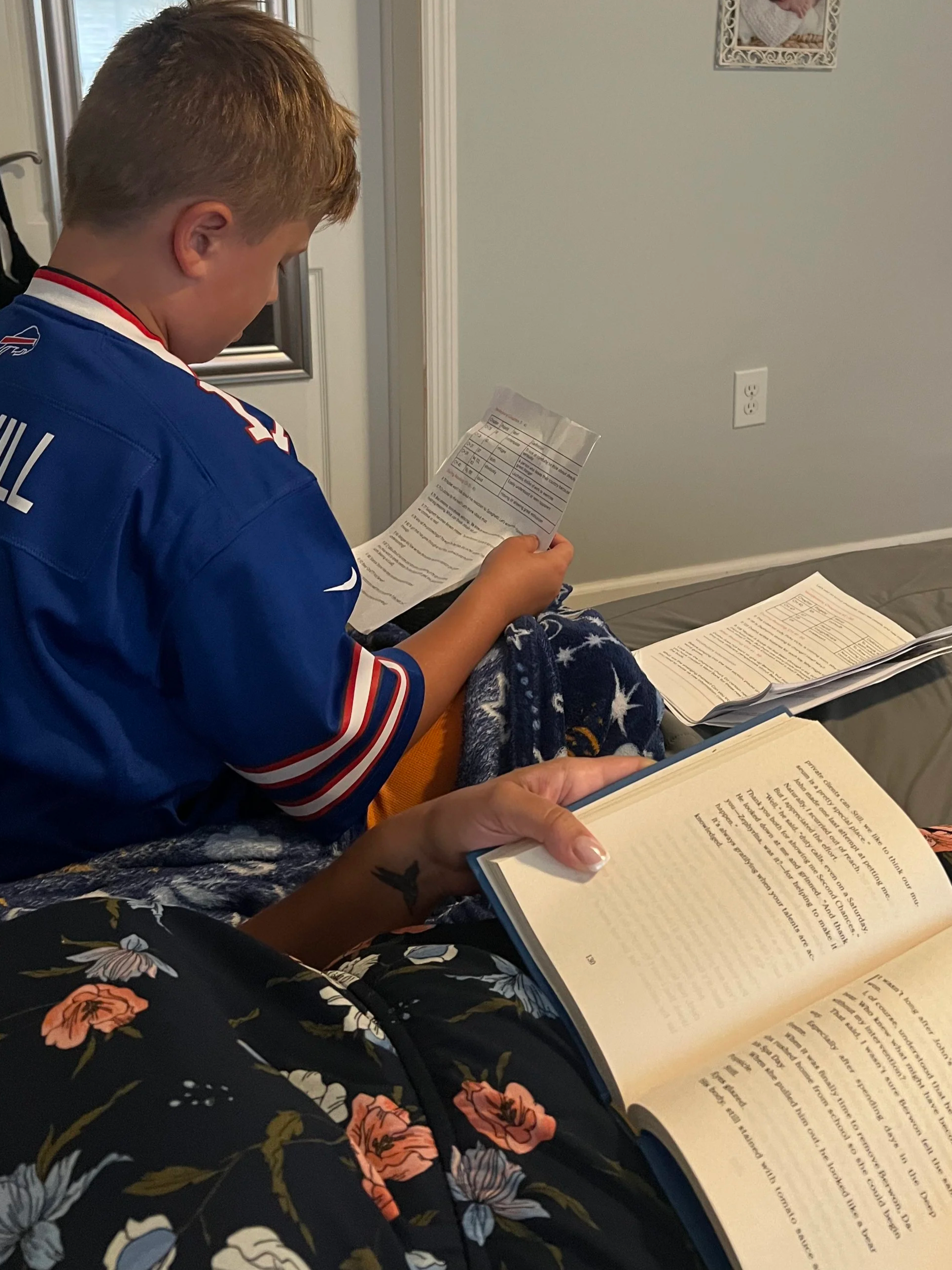
Keep the lesson plan right on your lap as you read so the vocabulary words, questions, and discussion prompts are ready to go.
Step 2: Preview the Words
Before reading each section, introduce and discuss the featured vocabulary words.
The lesson plan is organized so that you can read approximately ten short chapters each night. The chapters are quick, engaging, and perfect for hooking reluctant readers. Each reading session takes about 20 minutes. My five-year-old became especially excited about the word heist. Now he is planning a “pantry heist” with his siblings! Which reminds me I need to read them Secret, Secret Agent Guy! by Kira Bigwood.
Step 3: Keep It Low-Pressure
Start with Day 1 and simply see how it goes.
When children or students know that you want them to enjoy something a little too much, they sometimes decide they absolutely will not. Kids—am I right? Avoid pressuring them to love the book. Let the story, characters, and conversations do the work.
Step 4: Create a Reading Routine
This may be the hardest step in such a busy world, but consistency makes a difference.
Decide:
Where will you read?
When will you read?
How long will each reading session last?
We suggest approximately 20 minutes. Try not to overdo it—even when your readers beg, “Don’t stop! Read more!” Stopping at an exciting moment keeps readers hooked and leaves them eagerly waiting for the next reading session.
Spread the Word. Spread the JOY.
From Hooked to Invested
Pocket Bear: Part 2 - Keep Going!
What happens when your perfectly planned summer reading routine…. doesn’t go perfectly?
You keep going.
We missed a few nights of Pocket Bear. Life got busy. Instead of feeling like we had to start over, we simply recapped, revisited the words, and jumped back in.
Step 1: Recap Before You Restart
If you’ve missed a few days, don’t worry about rereading everything. Spend a few minutes talking about where you left off. Try:
Refer to the downloadable lesson plan questions
What has happened so far?
Tell me more about the characters.
What do you predict will happen next?
Step 2: Revisit the Words
Before jumping back into the story, revisit some of the vocabulary. This is where vocabulary starts becoming more than just a definition. The words become tools for thinking and talking about the story.
Ask your child to explain the words in their own words, give examples, act them out, or connect them back to the characters/events in the book. My five year old loves the word heist. He is planning a “pantry heist” with his siblings.
Step 3: Go Deeper Into the Story
Once kids are hooked take advantage of it! Help them become invested.
We’re not just reading to find out what happens next. We’re talking about character traits, motivations, predictions, and inferences—and returning to the text to support our thinking. And you don’t have to figure out how to make that happen on your own. The lesson plan does the hard work for you! The questions, stopping points, and places to reread are already built in. You simply print the plan, keep it beside you, and enjoy the conversations that unfold.
Step 4: Take a Vocabulary Intermission
Next up at our house: New Pocket Bear Word Cards coming to subscribers soon!
We’re going to pause between sections for quick vocabulary games like:
Would you rather?
Charades
Mystery Word
Think of it as a vocabulary intermission before diving back into the story.
The Biggest Takeaway?
Your reading routine doesn’t have to be perfect to work.
Miss a night…or several? Recap. Revisit. Restart. Because sometimes the best sign that a reading routine is working isn’t that you followed the schedule perfectly.
It’s hearing: “Can we read more?”
And that’s when you know they’ve moved from hooked to invested.
Spread the Word. Spread the JOY.